A Phillips screwdriver does not replace a flat one, even for a stubborn screw. Universal hammers can sometimes hinder the precision of delicate assemblies, while some pliers prove unusable on modern materials. Multifunction tools promise to do everything, but often fail at the essentials.
Accumulating tools that are useless ultimately hinders beginners and frustrates those who enjoy DIY. It is better to choose each piece with real use in mind: this is crucial, from the first project to large-scale repairs.
Why being well-equipped makes all the difference when starting DIY
From the very first actions, selecting the right equipment is significant. A coherent set reassures, avoids clumsiness, and leaves plenty of room for learning, without getting annoyed by a poorly thought-out tool. Forget the catch-all of gadgets: prioritize sturdiness, ease of use, and simplicity. An appropriate hammer, reliable screwdrivers, a handy pair of pliers, a saw designed for your materials: each has its function, and it’s up to you to find the balance between a unique tool and a true all-rounder.
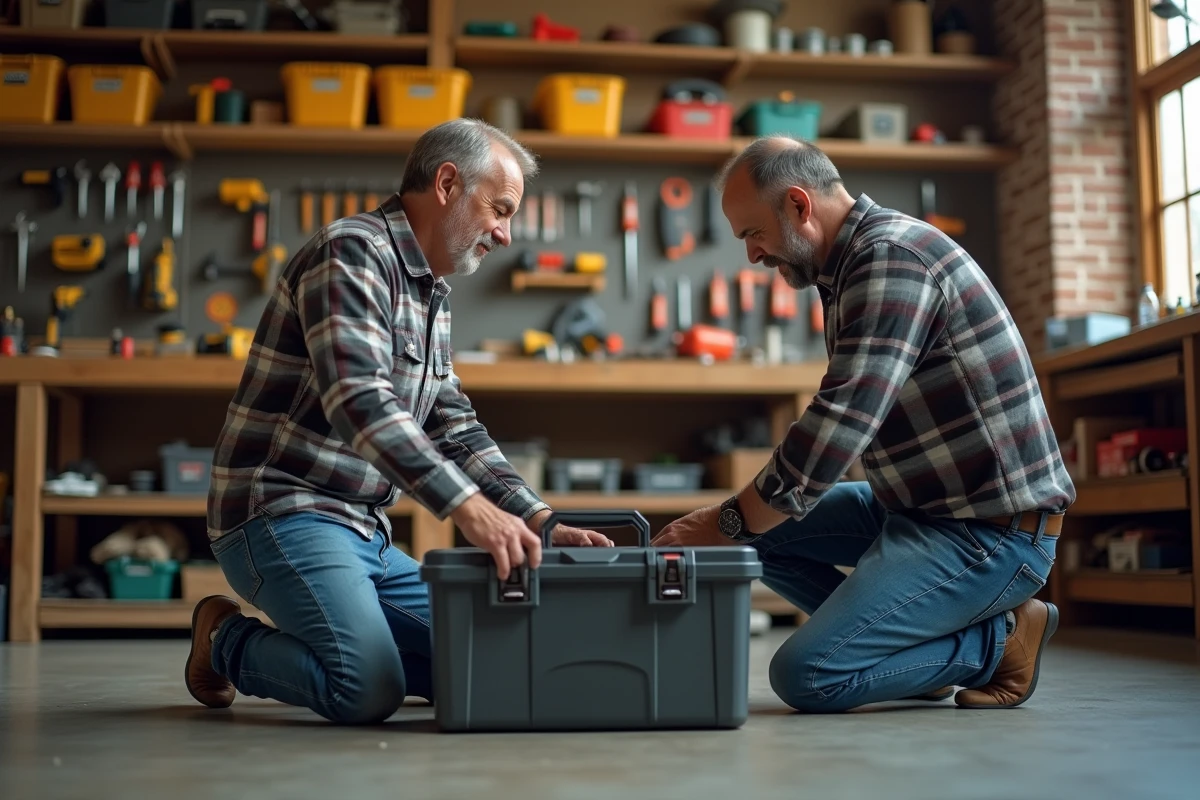
Organizing your tools in a sturdy, well-compartmentalized box speeds everything up: no more endless searches for the missing key or screwdriver. Efficiency born from order, instant availability, nothing hinders quick repairs like a more ambitious project.
The issue of protection is not to be taken lightly. Glasses, gloves, masks, or suitable shoes: this equipment truly protects and allows you to DIY without second thoughts. Next come precision tools: tape measure, level, square, ruler. Too often underestimated, they make all the difference between a makeshift job and a project that stands the test of time.
To build your basic selection, the equipment on Monsieur Bricoleur brings together a range designed for daily needs, useful for equipping yourself pragmatically. And to keep each accessory operational, a bit of maintenance: a quick wipe, a check, or regular sharpening, the difference is quickly noticeable in use.
What tools and accessories are truly essential for starting out without mistakes?
Focusing on reliable fundamentals is the best way to save yourself from future unnecessary purchases. Here are the accessories you can count on from the start:
- A hammer for fixing, adjusting, or simply dismantling.
- Flat and Phillips screwdrivers, covering the essentials of common screws.
- Pliers, including multi-grip, cutting, and flat types, to work with various materials easily.
The hand saw, depending on the need (wood, metal, PVC), quickly becomes indispensable. Add a drill, either corded or battery-operated, depending on your space, and a screwdriver: they lighten the work of assembly and installation. The bits must be suited to each screw; this is where versatility starts to pay off.
Here are the control and finishing tools to integrate into your toolkit:
- A tape measure, a ruler, a square, and a spirit level: to ensure your work never tilts the wrong way.
- A sturdy cutter, sharp scissors for precise cutting.
- A set of wrenches: flat, adjustable, or Allen, practical for most mechanisms.
Protecting your hands, eyes, respiratory system, or feet must be non-negotiable. Confident DIY starts here: glasses, gloves, masks, suitable shoes, no improvisation in this area.
With time and desire, investing in a well-stable workbench, trestles to support large pieces, or an organizer for screws and small parts will make each step smoother. One criterion remains valid: it’s better to have a few solid, ergonomic, and well-maintained tools than a multitude left to neglect.

Practical tips and tricks for choosing, maintaining, and using your equipment daily
Building a thoughtful toolbox is neither trivial nor arbitrary: it’s a way to plan, anticipate, and adjust each purchase to a concrete reality. Ergonomics in hand, the ability to clean and repair, and sturdiness are criteria to consider every time you shop. Specialized stores or online purchases offer many choices, but for occasional needs, tool rental or borrowing through a tool library allows tackling major projects without straining your budget.
Durable tools are well-maintained tools. Cleaning after use, sharpening or lubricating what needs it, checking handles and blades: these are simple habits that prolong safety and efficiency. Forgetting means risking accidents or breakdowns. Systematic storage in a dry box, a quick glance before each project: that’s enough to spot the tool that needs replacing or repairing before it fails you at the worst moment.
To learn and evolve with confidence, nothing beats a reliable resource. The book The Essentials of DIY, published by Mango editions, is full of practical and clear advice: it clarifies actions and anticipates pitfalls. Mastery is built this way, project by project, while remaining curious, cautious, and respectful of safety guidelines.
In the end, a well-thought-out set of tools that truly meets your needs makes DIY simpler, more efficient, and, it must be said, significantly more satisfying.