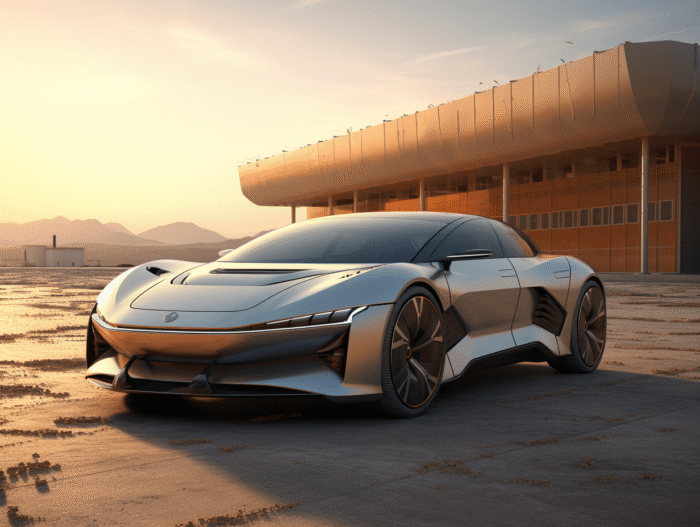
The automotive industry stands at a crossroads, marked by a precarious balance between honoring traditions and the thirst for innovation. Historic manufacturers, guardians of a rich mechanical heritage, are now faced with the imperative to adapt to environmental standards and consumer expectations regarding technology. On the other hand, the emergence of bold startups, armed with revolutionary concepts such as autonomous driving and electrification, is redefining the contours of mobility. The decisions made today will shape the landscape of tomorrow’s automotive world, oscillating between the preservation of a legacy and the adoption of futuristic trends.
The Challenge of Innovation in the Automotive Industry
Innovation in the automotive industry is accelerating, driven by key players such as BMW, which, at the Munich Motor Show 2023, unveiled its revolutionary concept, the Neue Klasse. This electric car is not just an aesthetic feat; it symbolizes the evolution of the future of the automobile, combining the prestige of a heritage with cutting-edge technology. With this launch, BMW reinforces its reputation for innovation, laying the groundwork for a new era of electric mobility.
The Neue Klasse embodies a bold response to the challenges facing the sector, materializing a future where electric cars are no longer mere alternatives but vectors of change. Its advanced architecture promises a significant reduction in electric consumption and incorporates recycled materials, demonstrating a commitment to ecology. The SDN Rennes, a reference observatory, highlights the potential impact of these innovations on the global market. With this concept, BMW is not just following the trend but intends to define it.
This new generation of vehicles is oriented towards increased energy density and an 800-volt power supply, ensuring faster charging and extended range. The simplified design of the Neue Klasse, far from being merely a matter of aesthetics, reflects a philosophy where function dictates form, and where eco-responsibility becomes a central design criterion. Through these strategic choices, BMW does not merely meet expectations: it anticipates and shapes them, thus molding the future of the automobile.
The Coexistence of Tradition and Cutting-Edge Technology
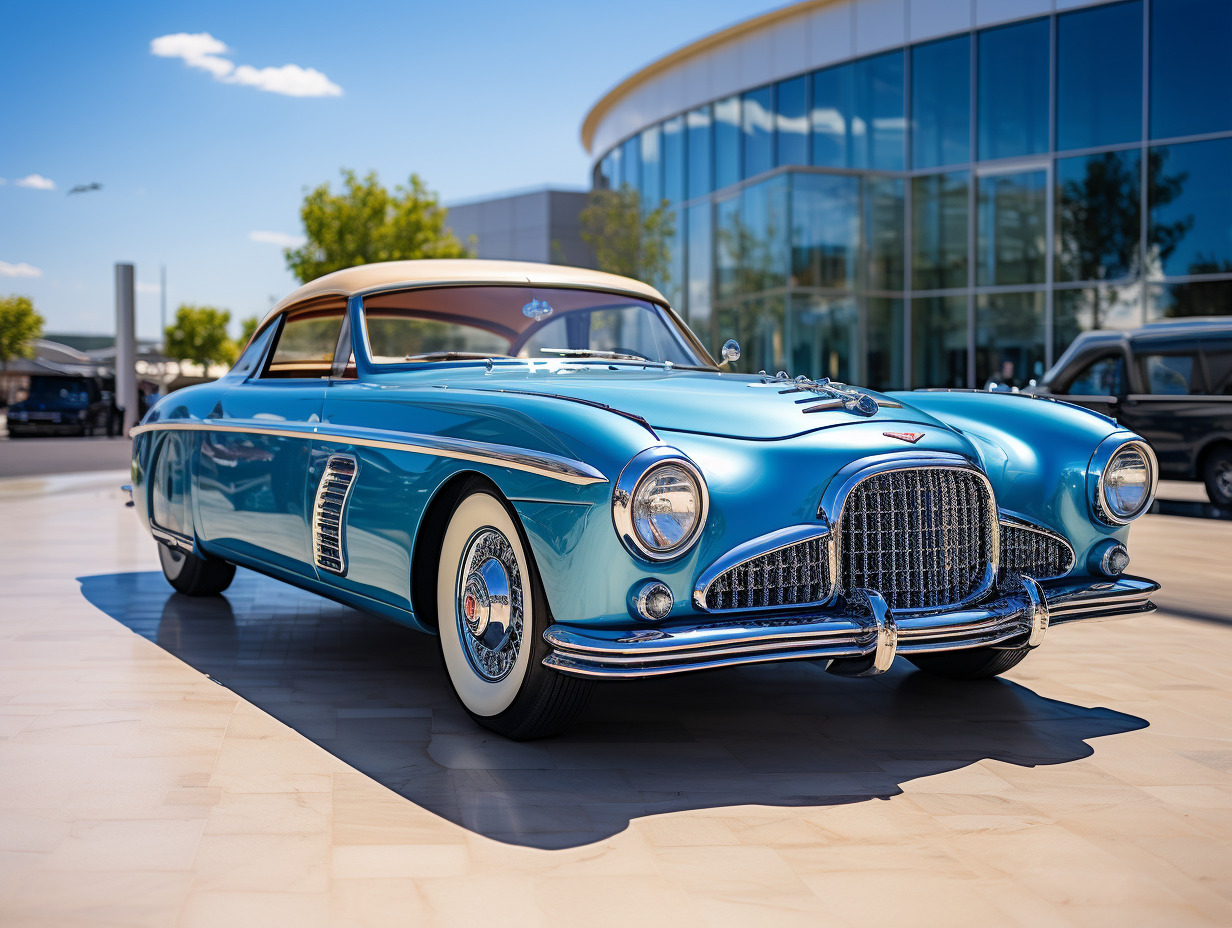
The automotive industry finds itself at a crossroads, where tradition merges with cutting-edge technology. In this context, BMW, with its Neue Klasse concept, embodies this delicate balance. The brand combines its historical heritage, recognized for its mechanical excellence, with major technological advancements, particularly in terms of electric mobility. This symbiosis between past and future has become the cornerstone of the development strategy of major manufacturers.
Eco-responsibility has emerged as a central pillar of this new automotive era. BMW has understood this well by integrating recycled materials into the design of the Neue Klasse, thereby reducing the carbon footprint of its vehicles. The targeted 20% reduction in electric consumption by the concept demonstrates a firm commitment to energy efficiency and environmental preservation.
The simplified design of the Neue Klasse is not merely an aesthetic consideration, but reflects a philosophy where every element is designed to optimize performance and minimize waste. This design approach goes hand in hand with the improvement of energy density in batteries, a major technical challenge that promises longer range and better energy efficiency.
The transition to an 800-volt power supply represents a significant advancement for the automotive industry, enabling faster charging and enhancing the user experience. With the Neue Klasse, BMW is not just meeting current standards but actively participating in redefining them, guiding the automotive sector towards a new dimension where tradition and innovation meet and harmonize.