International transport represents the complex network that connects continents, countries, and cities, facilitating economic, cultural, and human exchanges. This web of connections is powered by various means of transport, each with its own characteristics, strengths, and challenges. From maritime routes to airways and rail links, each infrastructure plays a vital role in the fluidity of global exchanges.
Maritime routes: a pillar of global trade
The oceans cover more than 70% of the surface of our planet, and maritime routes are the oldest and most widely used means for the international transport of goods.
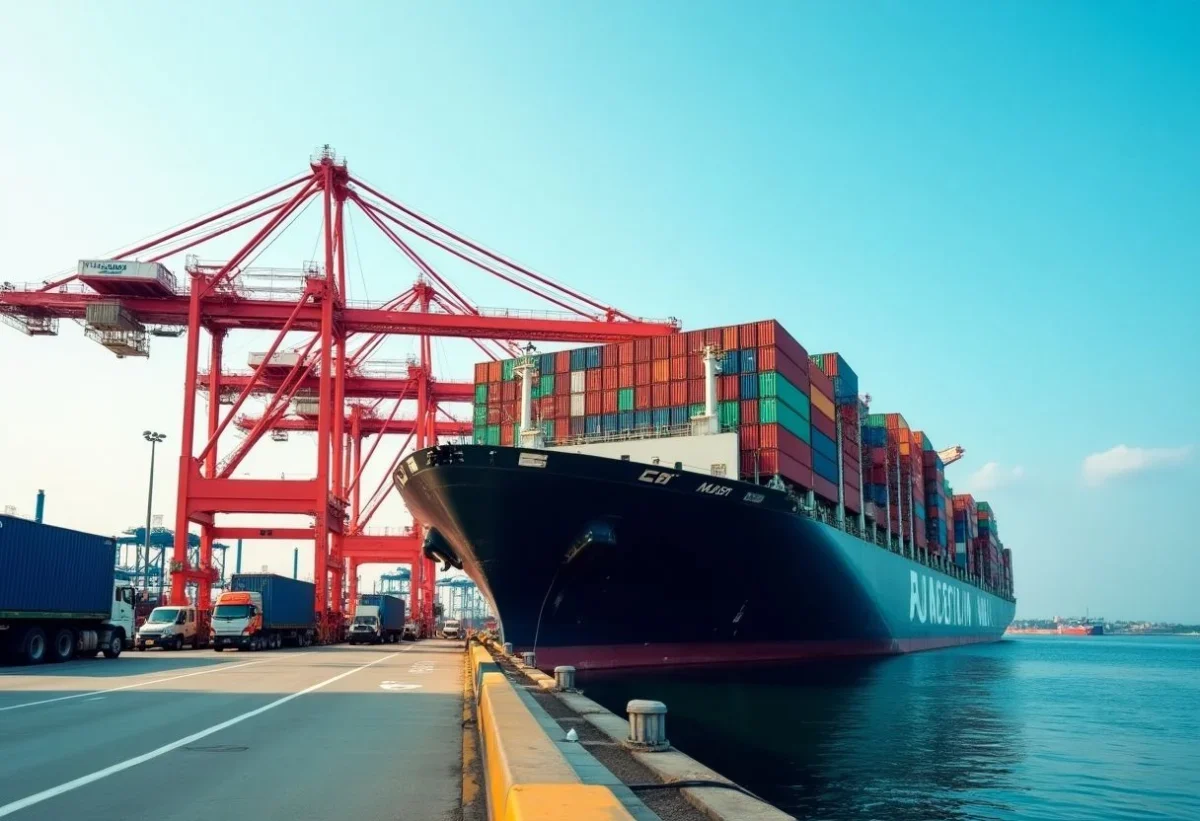
Maritime transport is responsible for the majority of global trade exchanges, transporting massive quantities of goods across the oceans. Ports located at strategic crossroads play a determining role in this global economic dynamic. Modern and efficient port infrastructures are necessary to facilitate the quick unloading and transfer of cargo.
Maritime navigation faces specific challenges, such as piracy and extreme weather conditions, which can disrupt maritime transport.
Nevertheless, technological innovations, such as automation and tracking systems, contribute to enhancing the security and efficiency of operations.
Air transport: speed and accessibility
Air transport is a major asset of international transport, due to the speed and reach it offers, allowing for quick connections to distant destinations.
- Speed: Airplanes are the fastest means of transporting goods and passengers across the globe. This speed is essential for perishable products and high-value goods.
- Accessibility: Thanks to a dense air network, even the most remote regions can be reached, thereby integrating isolated areas into the global economic fabric.
- Challenges: Air transport must address challenges such as carbon footprint, noise, and airport congestion. Efforts are being made to develop greener technologies and improve energy efficiency.
Rail networks: the rise of sustainable transport
At the heart of a sustainability logic, rail networks are gaining ground in the landscape of international transport due to their ability to transport large quantities of goods while having a reduced environmental impact.
Ambitious projects, such as new transcontinental links, embody this trend. The development of high-speed trains and the electrification of lines represent significant advancements in reducing greenhouse gas emissions.
International rail corridors, such as the new Silk Road, strengthen the interconnection between Europe and Asia, illustrating the strategic importance of rail in international exchanges.
The role of digital technology in logistics
Technology plays a transformative role in the field of international transport, introducing smarter and more efficient solutions for managing logistics.
- Digitization: Digital platforms enable more precise management of goods flows, optimizing routes and reducing waiting times.
- Traceability: Technological innovations allow for real-time tracking of shipments, ensuring transparency and efficiency in transport.
- Automation: Automated systems in warehouses and ports accelerate the processing of goods, reducing costs and delays.
- Sustainability: By integrating digital tools, companies can better assess and reduce their environmental footprint, contributing to a greener international transport.