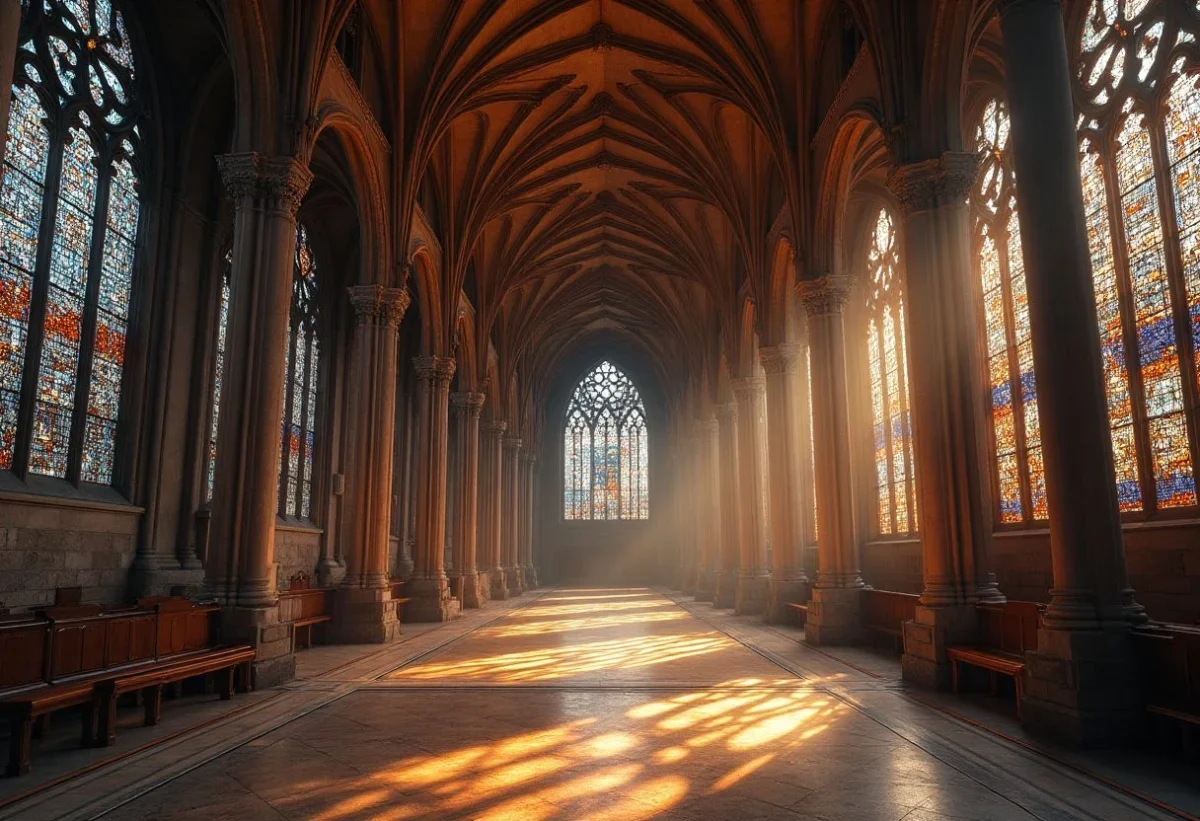
Heritage, often considered a bridge between the past and the present, plays a fundamental role in shaping the cultural and historical identity of a community. It is a precious legacy passed down from generation to generation, including not only architectural monuments and historical sites but also intangible traditions, cultural practices, and artistic expressions. The term heritage evokes a myriad of images: majestic castles, famous works of art, breathtaking natural landscapes, but also folk songs or recipes handed down by our ancestors. By understanding and valuing this heritage, we not only strengthen our own identity but also contribute to the cultural richness of humanity as a whole.
The diversity of heritage: a mosaic of cultures and history
Heritage takes many forms, each with its own significance and importance. This diversity reflects the richness and complexity of our collective history.
- Tangible heritage: this includes monuments, historic buildings, bridges, and sculptures. These tangible elements tell us stories of ancient civilizations, battles, peace, and progress.
- Intangible heritage: includes oral traditions, rituals, songs, and dances that are a vital part of a people’s cultural identity.
- Natural heritage: natural reserves, landscapes, and unique ecosystems are also considered heritage treasures that require protection and sustainable management.
- Industrial heritage: abandoned industrial sites and old factories are increasingly recognized for their historical value, reflecting the technological and economic advancements of past societies.
The challenges of heritage preservation
Heritage preservation faces many challenges in the contemporary world, requiring innovative and inclusive approaches to ensure its survival.
Environmental threats such as climate change and natural disasters pose an increasing danger to heritage sites. Rapid urbanization and unregulated economic development can also lead to the destruction of historical remnants. In this context, it is essential to promote effective policies and conservation strategies that take into account the interests of various stakeholders. Involving local communities in safeguarding processes is often the key to success, as they are the natural guardians of their own heritage. The search for sustainable solutions is crucial to ensure the preservation of these invaluable treasures. For example, digitizing artworks and historical documents is an increasingly common method for preserving and sharing cultural knowledge. Regarding the importance of a professional analysis of heritage, you can refer to this article that explores various aspects of this approach to learn more.
The role of education in valuing heritage
Awareness and education play a crucial role in the transmission and valuation of cultural and historical heritage.
- Educational programs: integrating modules on the importance of heritage into school curriculums can inspire young generations to engage in its preservation.
- Guided tours and workshops: organizing interactive and immersive activities to explore heritage sites encourages a deeper understanding of their significance.
- Digital media: using modern technologies to create virtual experiences and engaging content helps reach a wider and more diverse audience.
- Cultural partnerships: collaborating with cultural institutions and non-governmental organizations to promote cultural exchanges and community initiatives.
The economic and social benefits of heritage
Heritage is not limited to history and culture; it also represents a considerable economic and social asset.
Cultural tourism, for example, generates significant revenue for local communities, creating jobs and encouraging economic development. Heritage sites attract visitors from around the world, thereby stimulating the local economy through accommodation, dining, and crafts. Furthermore, heritage strengthens social cohesion by fostering a sense of belonging and pride among local residents. Community engagement in heritage preservation can lead to greater social awareness and collaborative initiatives to address other societal issues. In summary, preserving our heritage is not only a duty to our ancestors but also an investment in our shared future.
By preserving our heritage, we take a step towards safeguarding our history, culture, and collective identity. We honor our ancestors while providing future generations with a rich and diverse legacy that continues to inspire and educate.