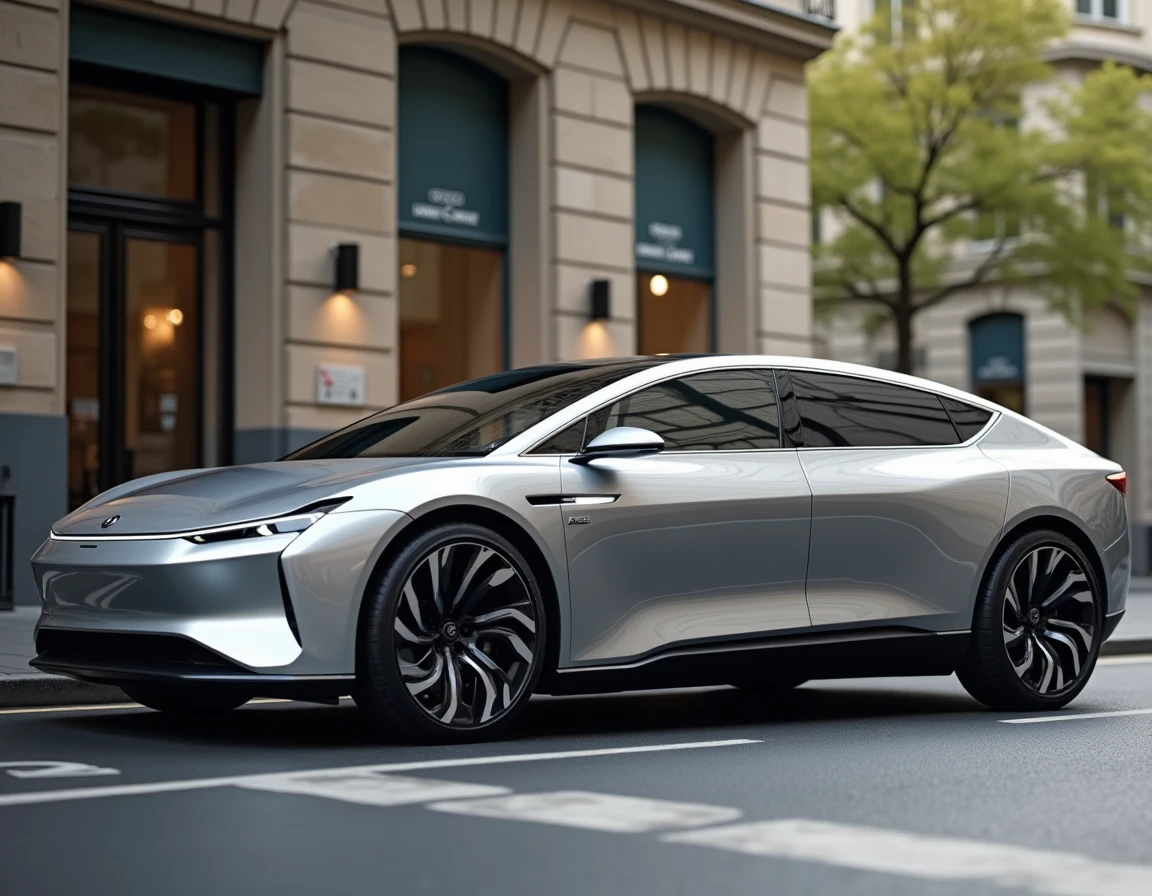
The year 2024 has reshuffled the cards in the automotive sector. With the rise of hybrid vehicles, the arrival of more accessible electric models, and a technological shift towards embedded software, the automotive trends of 2024 paint a landscape quite different from what manufacturers were offering just recently.
Software Defined Vehicle: The Invisible Shift of 2024

Have you ever received an update on your phone that adds a feature or fixes a bug? The same principle now applies to cars. We are talking about software defined vehicle, or SDV.
In practical terms, the manufacturer can modify the behavior of the vehicle after its delivery. Adjusting the accelerator response, improving the dashboard display, activating driving assistance: everything is done through a remote update.
This change shifts the value of the vehicle. The engine and body still matter, but software becomes a full-fledged selling point. The same model can evolve over several years without going to the workshop. Manufacturers like Renault or Stellantis are investing heavily in this electronic architecture because it also allows them to offer paid services after purchase.
To keep up with these technical developments over the months, automotive articles on Scoopify regularly cover these topics with an accessible perspective.
SUV and Plug-in Hybrid Market in 2024
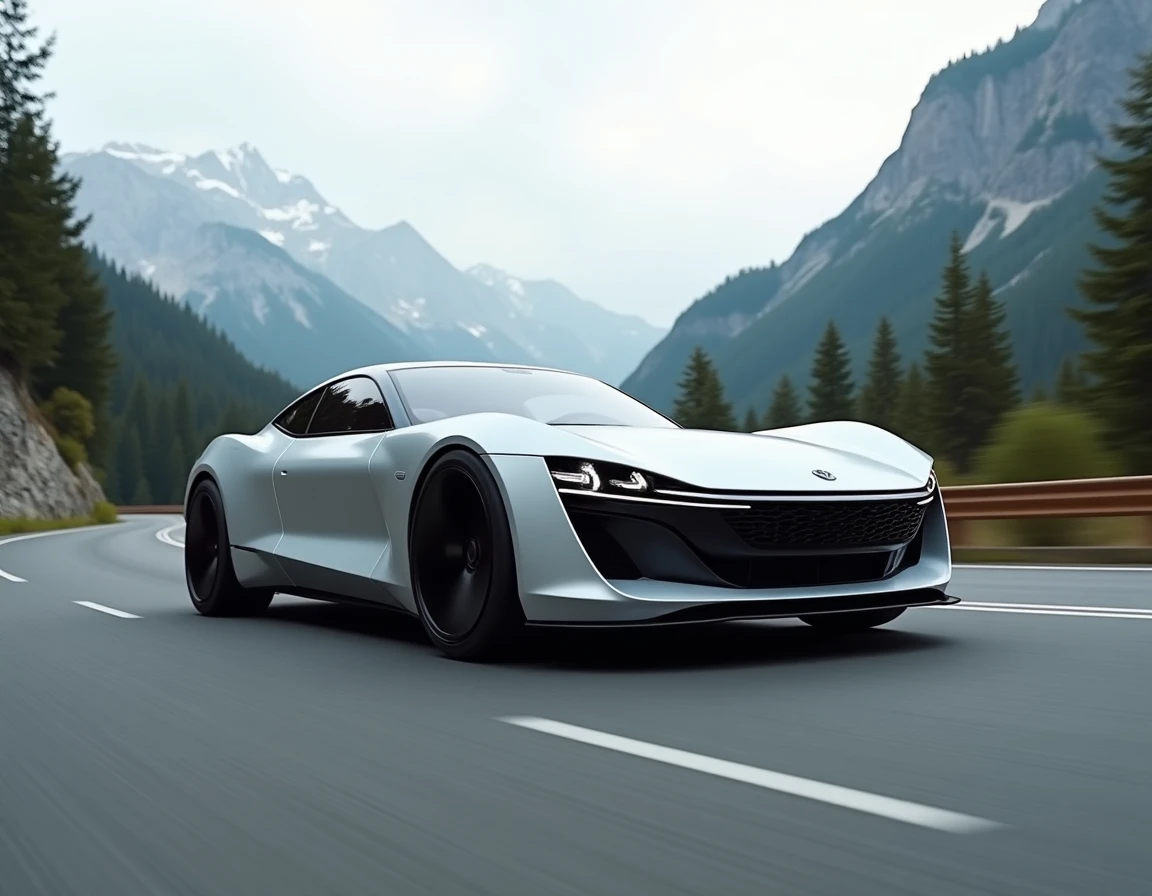
The SUV remains the preferred format for European buyers. This is no surprise, but the novelty comes from the type of engine that accompanies it. In 2024, plug-in hybrids have gained ground against fully electric vehicles.
Why this choice? The explanation boils down to two points. The purchase price of an electric vehicle remains high for a large portion of households. And the range, despite improvements, still generates hesitations for long trips.
The plug-in hybrid offers a compromise: a few dozen kilometers in electric mode for daily commutes, then the thermal engine takes over. It’s a gradual transition, less abrupt than a direct switch to electric.
What Manufacturers Offer
Renault, Stellantis, and several brands from the Volkswagen group have expanded their hybrid range in 2024. The models range from compact SUVs to family minivans. The brands position these vehicles as a gateway to electrification, while waiting for battery prices to drop sufficiently.
- Plug-in hybrid SUVs combine a thermal engine and a battery that can be recharged from the grid, with an electric range suitable for daily commutes.
- Mild hybrids do not offer a 100% electric mode but reduce consumption thanks to a small assistance engine.
- Full hybrids recharge only while driving and automatically manage the alternation between the two engines.
5G Connectivity and Connected Cars: What Changes in Daily Life
The market for connected cars continues to grow. Embedded 5G connectivity allows for faster data exchanges between the vehicle, the manufacturer, and third-party services.
In practice, this translates into enhanced assistance features. The vehicle can signal an emergency braking to following cars, receive localized weather alerts, or transmit a mechanical diagnosis in real-time to the dealer.
Embedded infotainment is becoming a purchasing criterion just like power or trunk volume. Touchscreen, connected navigation, integration of phone apps: buyers compare these elements before signing.
Safety and Personal Data
This connectivity also raises questions. A connected vehicle continuously collects location and driving data. Manufacturers must comply with European data protection regulations, which sometimes hinders the deployment of certain functions.
Accessible Electric Vehicles: The Price Battle in 2024
The segment of accessible electric cars has captured attention in 2024. Several manufacturers have announced or launched models positioned below the psychological barrier that many buyers consider an acceptable threshold.
Renault has played a visible role with its new generation of electric city cars. Stellantis has multiplied the variations on its compact platforms. The stated goal: to make electric vehicles accessible beyond the wealthiest households.
The ecological bonus, revised in 2024, has also changed the calculations. The allocation criteria take into account the carbon footprint of manufacturing, which favors vehicles produced in Europe over imports.
Range and Charging: Concrete Progress
The charging infrastructure has continued to develop, with a denser network along highways. New batteries offer reduced charging times compared to previous generations.
- Fast charging stations allow for recovering enough range to continue a journey in less than thirty minutes on recent models.
- Home charging remains the primary mode for daily commutes, with wallboxes compatible with most home installations.
- Route planning apps now integrate the availability of charging stations in real-time, simplifying long trips.
The automotive market in 2024 is not just a duel between thermal and electric. The real underlying trend is the shift of value towards software, connectivity, and services. Manufacturers who master these technological building blocks are gaining a competitive edge, regardless of the type of engine offered.
For buyers, this means comparing not only horsepower and kilowatt-hours but also what the vehicle will be capable of doing in two or three years thanks to a simple update.